USD


bulk geometry mountain road bike frame solution: Specification, Ordering and Quality Notes
How It Performs in Use
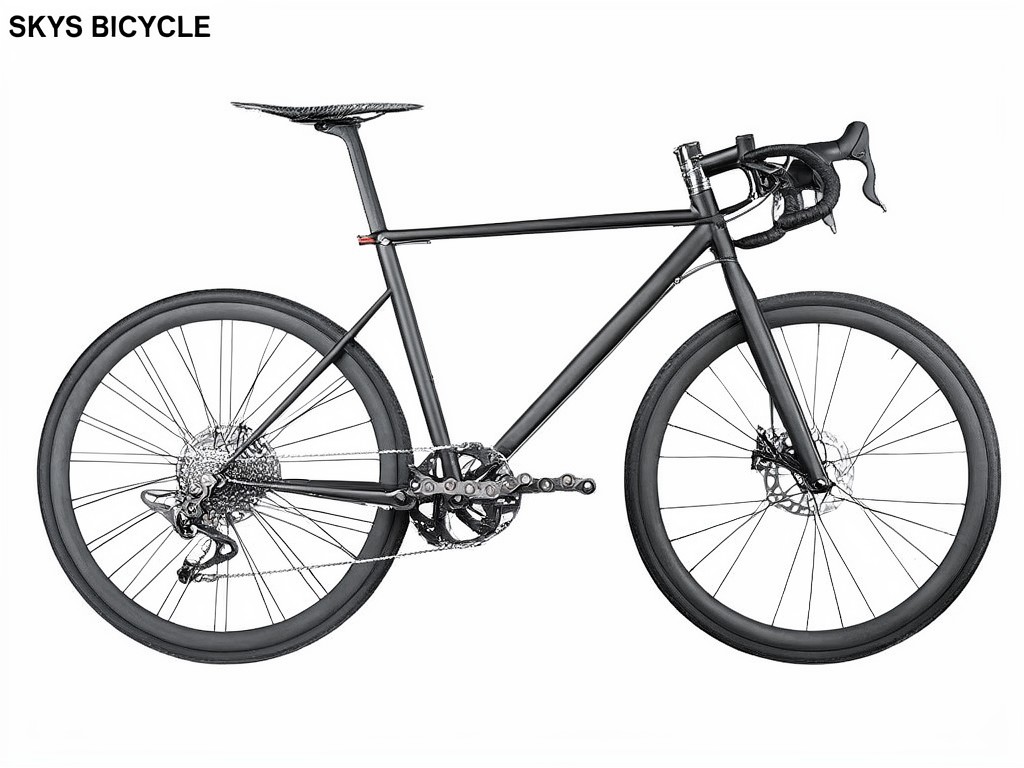
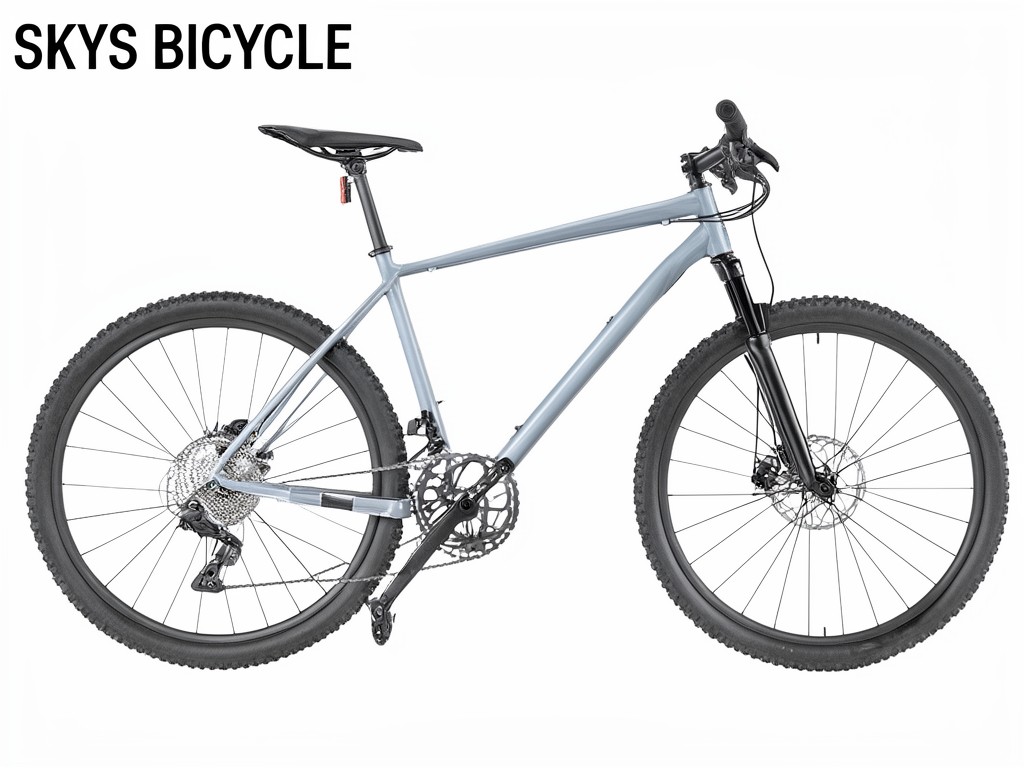
Material choice starts with the conditions the product will meet. A mountain road frame sits between cross-country racing and trail riding. It sees rock strikes, cable rub, mud packing, and repeated cornering loads. 6061-T6 aluminum with TIG welded joints handles these loads predictably, and the frame can be faced, reamed, or rewelded if a bearing seat wears out.
Weight matters, but so does alignment. A frame that is 0.5 degrees off in head tube angle changes steering feel immediately. After welding, each frame goes through a straightening check on an alignment table before paint. Butted tubes remove material from the middle of the tube where stress is low, cutting frame mass without thinning the weld zones.
Weld zone versus tube wall. TIG welding on 6061-T6 creates a heat-affected zone that loses roughly 30-40% of the tube's temper unless the frame is heat-treated after welding. We post-weld heat treat to restore strength; skipping that step saves time but invites fatigue cracks near the bottom bracket within one riding season.
Comparing Two Standard Configurations
Construction options diverge as soon as weight matters. The two geometries below share the same front triangle tubing but differ in tube butting, wheel size, and rear spacing.
Configuration A — Lightweight
- 6061-T6 double-butted tubeset
- 120 mm fork, 29-inch wheels
- Approx. 1,650 g frame (size L)
Configuration B — Standard Gauge
- 6061-T6 straight-gauge tubeset
- 100 mm fork, 27.5-inch wheels
- Approx. 1,950 g frame (size L)
| Finish | Colour Range | Durability Guide | Typical Use |
|---|---|---|---|
| Matte powder coat | Charcoal, olive, navy | Chips resist well; touch-up requires matching powder | High-volume rental and club fleets |
| Gloss wet paint | White, red, metallic silver | Shows scratches sooner; easy to spot touch-up paint | Brand launch runs where appearance matters |
| Clear anodized | Natural silver only | Hardest surface against cable rub; limited colour | OEM programs that want raw-metal look |
How to Choose Before Requesting a Quote
Where UV exposure and trail impact are routine, the specification has to lock before tooling is cut. Work through the order below to fix the configuration.
- Rider weight and luggage — decides tube butting
- Under 80 kg with no frame bag → lightweight butted tubeset saves 200-300 g.
- Over 80 kg or frame bag and spare tube → standard gauge avoids flex at the bottom bracket.
- Wheel size and fork travel — selects geometry row
- 29-inch with 120 mm fork → Configuration A; chainstay 435 mm, reach 450 mm (size L).
- 27.5-inch with 100 mm fork → Configuration B; chainstay 425 mm, reach 430 mm (size L).
- Brake and axle standard — confirms dropout facing
- Post-mount brake, 12x148 mm thru-axle → modern trail build, compatible with current wheelsets.
- IS mount or quick-release → older components; confirm dropout facing before ordering.
- Volume and delivery window — sets paint slot and unit cost
- Under 100 frames → standard colour only, 8-10 weeks.
- 100-500 frames → custom powder coat, 10-12 weeks.
- Over 500 frames → dedicated paint slot, 12-16 weeks, lower unit cost.
Requirements by Buyer Segment
Importers and brand product managers buy the same frame for different reasons.
The importer cares about container packing, HS code classification, and batch traceability. Frames ship with foam padding and cardboard outer cartons; each frame carries a sticker with production week and frame number so a warranty claim can be traced to a specific weld batch.
The product manager cares about sample approval, colour matching to brand pantone, and retail labeling. A pre-production sample is signed off before the full order enters the paint line. Changes after sample sign-off reset the tooling queue.
- Sample approval: one painted frame, 2-3 weeks, signed off before volume production.
- Batch traceability: frame number matched to weld operator and heat-treatment batch.
- Export packaging: cardboard carton with end caps, palletised for full-container loads.
- Warranty terms: frame only, against manufacturing defects in materials and workmanship.
Capacity, Tooling and Scheduling
Tooling cost is fixed, so volume changes the unit economics more than the material grade. A welding fixture set for one geometry costs the same whether you order 50 frames or 500. The paint line runs in slots; a custom colour occupies a full slot even for a small order. Ordering more frames amortises the fixture and paint setup across more units, which drops the unit price. Lead time stretches when a new colour requires purging the spray booth.
Scheduling is driven by the slowest operation. TIG welding and post-weld heat treatment set the baseline at roughly 40 frames per week per fixture. Adding a second fixture doubles capacity but requires more floor space and a second qualified welder. We hold frame jigs in stock for the two standard geometries listed above, so reorders skip the tooling lead time.
Need artwork and branding review before production? Send your logo and pantone references for a layout check.