USD


Private Label cycling cassette and chain components producer: What Buyers Should Check Before Ordering
What the Design Has to Balance
First-article tooling determines whether a cassette sprocket holds its tooth profile after the first hundred kilometres or begins hooking under load. Buyers qualifying a second source should check tooth thickness tolerance, freehub interface runout, and chain plate articulation before approving a pilot batch. A sprocket that is 0.03 mm out of spec on tooth thickness causes noisy shifting; a chain pin with uneven case hardening creates stiff links within weeks.
Chain wear shows up first as elongation, not as broken plates. A roller chain is sold by pitch and inner width, but its service life depends on pin hardness, roller bushing clearance, and plating thickness. If the pin case depth is shallow, the chain reaches 0.6 percent elongation in half the expected distance and starts skipping under load. Cassette sprockets face a different failure mode: the softest tooth hooks first, then the chain rides up and drops under torque. Matching sprocket material to chain hardness prevents mixed-metal wear where the softer component destroys the harder one.
Construction Method and Its Effect on Consistency
Cold forming, broaching, and heat treatment set the geometry before any plating is applied. The table below compares how each construction path behaves under drivetrain load.
| Feature | Cold-formed alloy sprocket | Machined steel sprocket | Riveted roller chain | Sealed-pin chain |
|---|---|---|---|---|
| Forming method | Cold stamped and broached | CNC machined from bar stock | Stamped side plates, pressed pins | Stamped plates, solid pins, pre-stretched |
| Tooth thickness | 1.8–2.0 mm | 1.6–1.9 mm | Not applicable | Not applicable |
| Surface treatment | Black oxide or nickel plating | Chrome plating | Nickel plating | Zinc-nickel plating |
| Typical complaint | Tooth hooks early under torque | Higher cost per unit | Stiff links after wet riding | Plate wear at pin hole |
| Check before order | Runout on freehub interface | Weight per sprocket | Pin hardness in HRC | Chain elongation at 500 km |
Specification Range and Customisation Limits
Consistency is set at the forming stage, not corrected in finishing. Cassette spacing is fixed by the freehub body and the shifter indexing steps, so a private-label buyer cannot simply choose any sprocket thickness. The usable range is usually 1.6 to 2.2 mm per sprocket, with total stack height dictated by the number of speeds. Going thinner saves grams but reduces tooth contact area and accelerates hooking; going thicker improves durability but may prevent the chain from seating on smaller cogs. Chain inner width follows the same logic: 4.8 to 5.6 mm covers most road and mountain groupings, but narrower widths require tighter plate tolerances or the chain drops between sprockets.
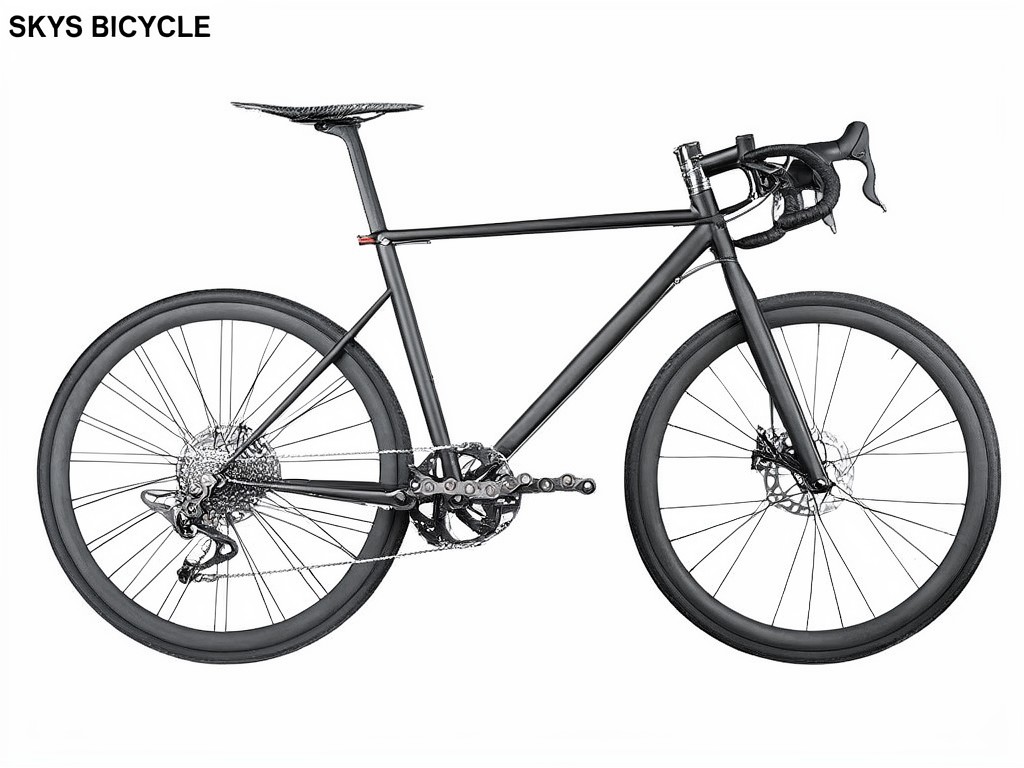
Customisation stops where drivetrain compatibility begins. Colour anodising and laser etching are possible on alloy sprockets, but steel sprockets and chain plates accept only plating or coating changes. Any change to plate thickness or pin diameter requires new tooling and a fresh first-article inspection.
Customisation Options and Their Limits
Branding and packaging changes are possible without touching drivetrain geometry, but each option carries a cost or lead-time consequence. The table below lists the practical limits buyers should price before confirming artwork.
| Option | Available on | Typical limitation | Order impact |
|---|---|---|---|
| Colour anodised sprocket | Alloy 6061 or 7075 cogs | Anodise wears at chain contact line | Adds plating line qualification |
| Laser-etched logo | Alloy sprockets only | Depth limited to 0.03 mm to preserve tooth profile | No MOQ increase |
| Custom chain plate shape | Steel plates | Requires new stamping die and first-article approval | 4–8 week tooling lead |
| Branded packaging | All SKUs | Must retain batch code and date code label | Minimal lead-time impact |
Requirements by Buyer Segment
A retail buyer ordering for a house brand cares about batch traceability and retail labelling. Each cassette and chain lot needs a date code and batch number stamped on the sprocket or printed on the packaging, otherwise a warranty claim cannot be traced to a production run. A brand product manager, by contrast, is usually removing single-supplier risk. That manager needs sample approval on shift performance and a written specification for chain elongation limits before releasing a purchase order.
The distributor buying for export cares about freight configuration: cassettes packed with lockrings secured, chains in reels or boxes that prevent tangling, and master cartons rated for pallet stacking. Missing any of these turns a functional component into a rejected shipment at the receiving dock.
Volume Planning and Lead Time
The build method decides how fast a second source can scale. Cold forming and broaching allow high monthly volume once the die is proven, but the first-article tooling lead time is usually four to eight weeks. Heat treatment and plating are batch operations, so a rush order cannot skip the queue without risking uneven hardness or plating thickness. A buyer planning a reorder should lock the tooling and approve the first article before committing to a quarterly forecast.
Lead-time rule: tooling approval adds two to four weeks to the first order, but repeat orders ship in the standard production window once the batch size is set.
Ready to qualify a second source for cassette and chain components? Submit your forecast and sample requirements for a quotation review.
Request quotation review | Schedule sample approval