USD


customized gravel road bike geometry components factory: Specification, Ordering and Quality Notes
Size, Weight and Specification Range
Cost and durability pull in opposite directions once tooling is committed to a gravel geometry program. A carbon monocoque frame set can land under 1,100 grams but carries higher rejection rates at the alignment and facing stages, while a welded aluminum or steel frame costs less per unit and tolerates wider dimensional drift, yet adds 300–700 grams that show up in freight and retail shelf weight. The buyer’s decision rule is simple: match the frame’s weight ceiling to the tire clearance and dropout spacing the end rider actually needs, then price the inspection level that keeps warranty claims below the margin.
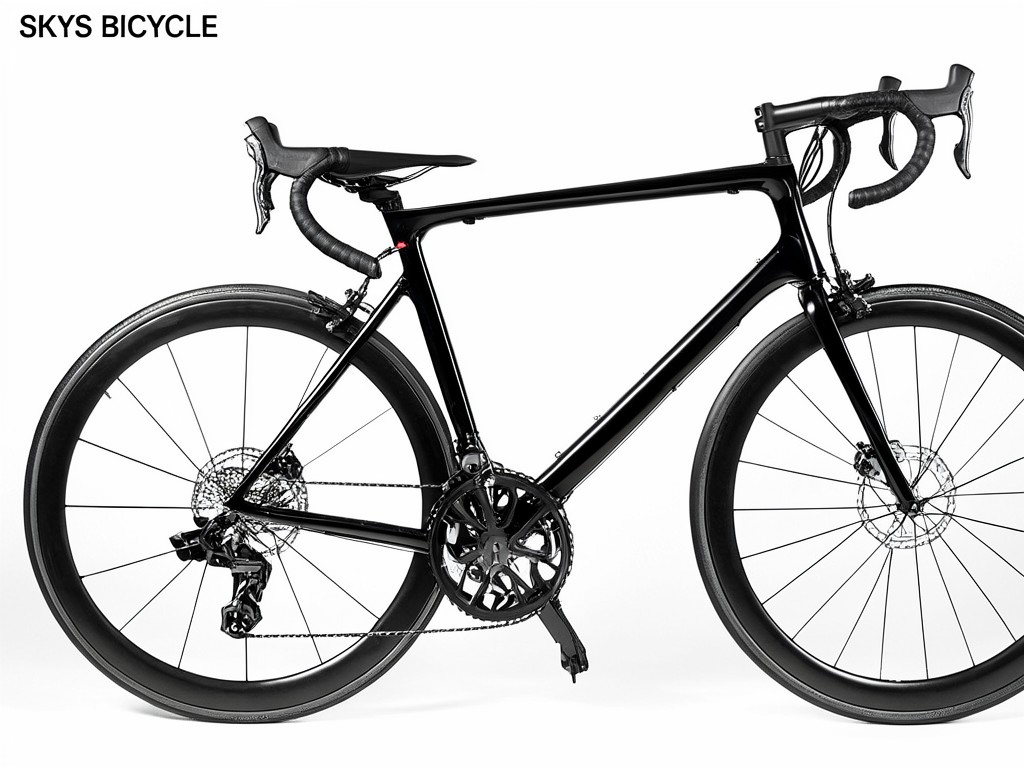
Material choice starts with the conditions the product will meet. Carbon layups perform well on smooth chip-seal and groomed gravel but can delaminate at the head tube if the fork crown race is seated out of tolerance; aluminum resists impact but work-hardens at welds under repeated load cycles; 4130 steel absorbs vibration and repairs easily in the field, though it invites corrosion if the inside of the tubes is not treated and the paint film is chipped at cable ports. Frame weight is usually 950–1,450 grams depending on size and material, fork weight 380–520 grams, and complete geometry kits including seatpost and stem hardware typically ship between 1,600 and 2,300 grams.
| Material | Construction | Frame weight range | Tire clearance | Geometry adjustment | Typical service life |
|---|---|---|---|---|---|
| Carbon fiber (T700/T800 prepreg) | Monocoque layup with molded head tube and bottom bracket | 950–1,150 g | 40–45 mm | Limited to mold angles; custom sizes via new tooling | 3–5 years under normal use |
| Aluminum 6061-T6 | Hydroformed and butted tubes, TIG welded, CNC machined dropouts | 1,250–1,450 g | 42–47 mm | Adjustable via tube cutting and jig set; new sizes possible without new mold | 4–6 years |
| 4130 Chromoly steel | Butted tubes, TIG welded, brazed lugs optional | 1,550–1,850 g | 45–50 mm | Most flexible; custom angles and chainstay lengths in small batches | 5–8 years with corrosion care |
Option Comparison by Usage Level
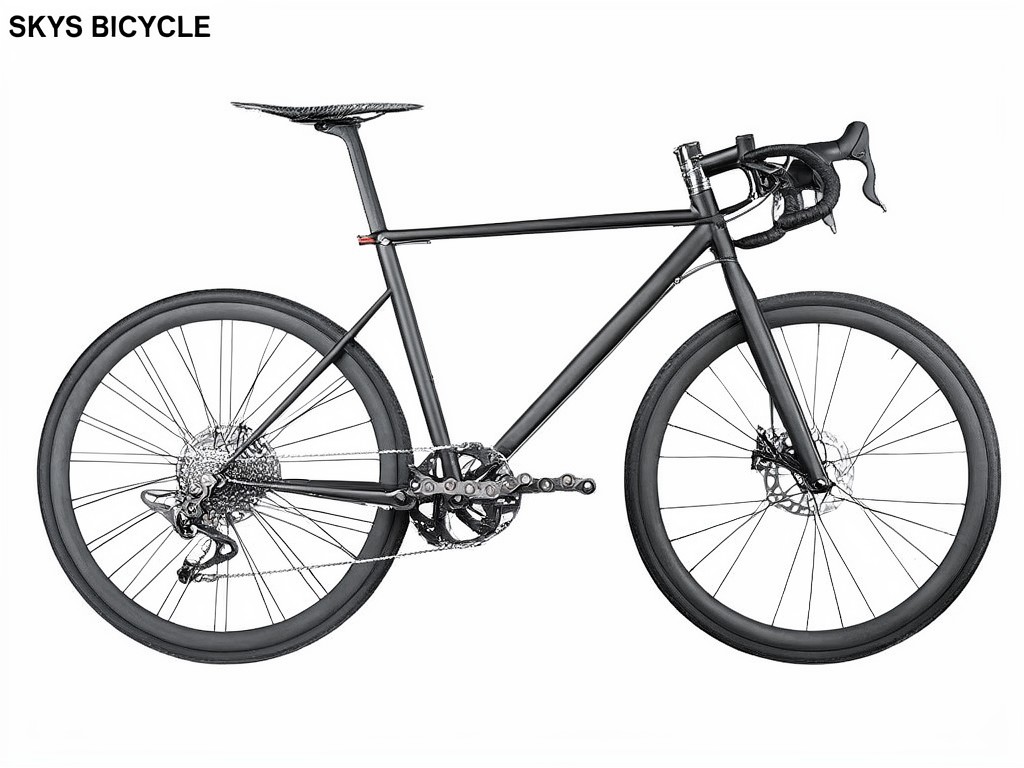
Construction options diverge as soon as weight matters. A race-oriented gravel build prioritizes stack and reach ranges that put the rider in a low position, narrow chainstays for quick handling, and 40 mm tire clearance. A loaded touring or bikepacking build needs longer chainstays, wider dropout spacing, and rack mounts, which adds frame weight but reduces the chance of heel strike and frame flex under luggage. The specification table sets the material baseline; the usage level decides which geometry tolerances and inspection steps are worth paying for.
Race and event fleet
Tight stack and reach progression across sizes, 40 mm maximum tire clearance, flat-mount disc brake interfaces, and 12 mm thru-axles. Frames are checked on an alignment table after welding or curing, and dropout spacing is held to ±0.2 mm.
Loaded bikepacking and retail stock
Longer chainstays, 45–50 mm tire clearance, rack and fender eyelets, and 135 mm or 142 mm rear spacing depending on market. Weight is secondary to clearance and mounting strength; inspection focuses on cable port reinforcement and rack boss torque.
Who Uses It and Where It Matters
Importers and retail buyers source these components for complete bike programs and aftermarket frame sales. The end user is typically a gravel event participant riding mixed-surface routes that include corrugated chip-seal, loose limestone, and graded forestry tracks. The frame and fork must survive repeated vibration loads, occasional curb strikes during transitions, and the corrosion cycle of winter training on salted roads. Private-label buyers add their own geometry charts and decals, so batch-to-batch consistency in stack, reach, and head tube angle determines whether the retail product matches the approved sample.
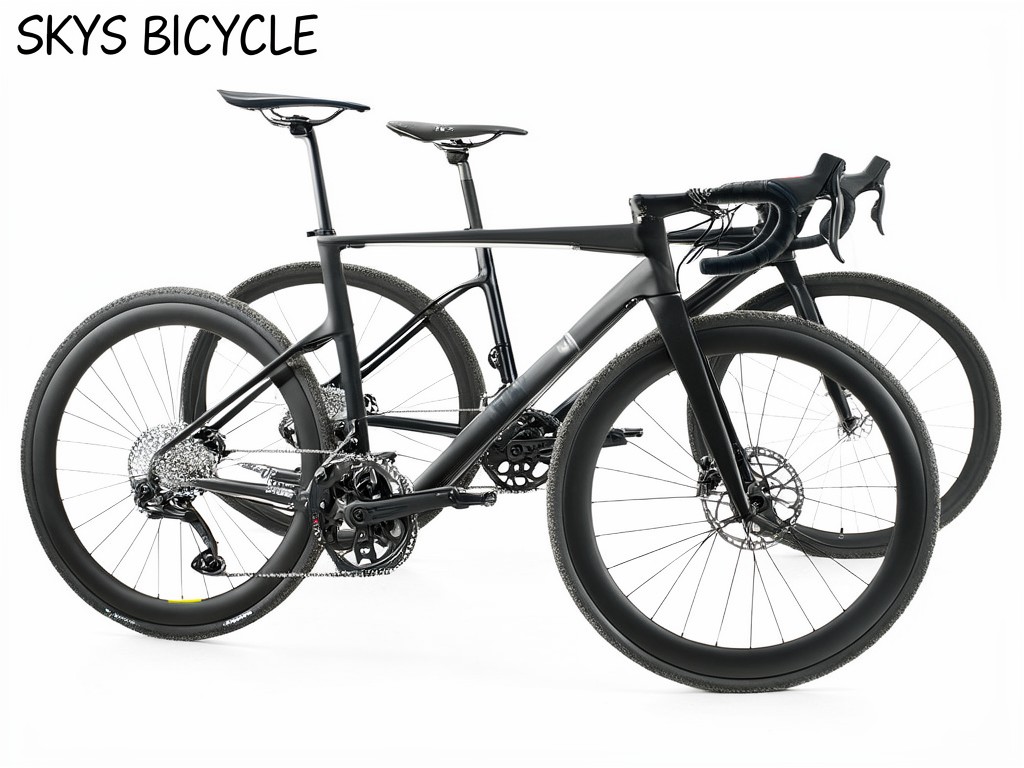
Service conditions also dictate the specification. A shop building a demo fleet needs frames that tolerate frequent wheel swaps, thru-axle installation by different mechanics, and transport in bike boxes without dropout damage. A club or academy purchasing manager wants a geometry that fits a wide rider height range with as few frame sizes as possible, which pushes the design toward adjustable reach stems and longer seatposts rather than a large size run. Every additional size multiplies tooling cost and inspection points, so the buyer must balance stock depth against unit price.
Requirements by Buyer Segment
- Importers prioritize export packaging that protects dropouts and fork crowns, clear carton labeling with size and geometry data, and batch traceability through serial numbers so a warranty claim can be traced to a specific production lot.
- Retail buyers need pre-production sample approval before tooling is released, followed by a production sample check that confirms facing, alignment, and decal placement against the approved geometry chart.
- Distributors focus on lead-time stability and minimum order quantity breaks; a delay in bottom bracket shell facing or head tube reaming can push a retail launch past the selling season.
Total cost of ownership runs through the warranty department as much as the purchase order. A frame that saves 4 euros per unit but generates a 2 percent return rate for misaligned dropouts costs more than a frame with tighter inspection and a higher unit price. Inspection methods used before shipment include dimensional gauging of head tube and bottom bracket bores, dropout spacing checks, torque stripe verification on axle interfaces, and a visual cross-cut adhesion test on paint and decals.
Keeping Repeat Orders Supplied
Tooling review is the gatekeeper for repeat orders. Changing a head tube angle or chainstay length after production has started usually requires a new mold, jig set, or CNC program, which resets the sample approval cycle and adds four to eight weeks to lead time.
Stock availability depends on whether the component runs on open tooling or dedicated brand tooling. Open tooling allows faster reorders and smaller MOQs but offers no geometry exclusivity; dedicated tooling locks in the buyer’s angles and tube lengths but requires larger batch quantities to amortize the setup cost. Lead times typically run 35–60 days for carbon frames and 25–45 days for aluminum or steel frames once the pre-production sample is signed off, subject to raw-material availability and finishing capacity.
Freight configuration matters because geometry components ship oversized. Frames are packed in individual bike boxes with axle plugs, fork blocks, and foam edge protection; consolidated pallets reduce per-unit freight but increase the risk of dropout contact if the inner packaging shifts. Buyers should confirm carton dimensions, pallet configuration, and insurance terms before the order is released to avoid surprises at the port.
Setup, Use and Replacement Parts
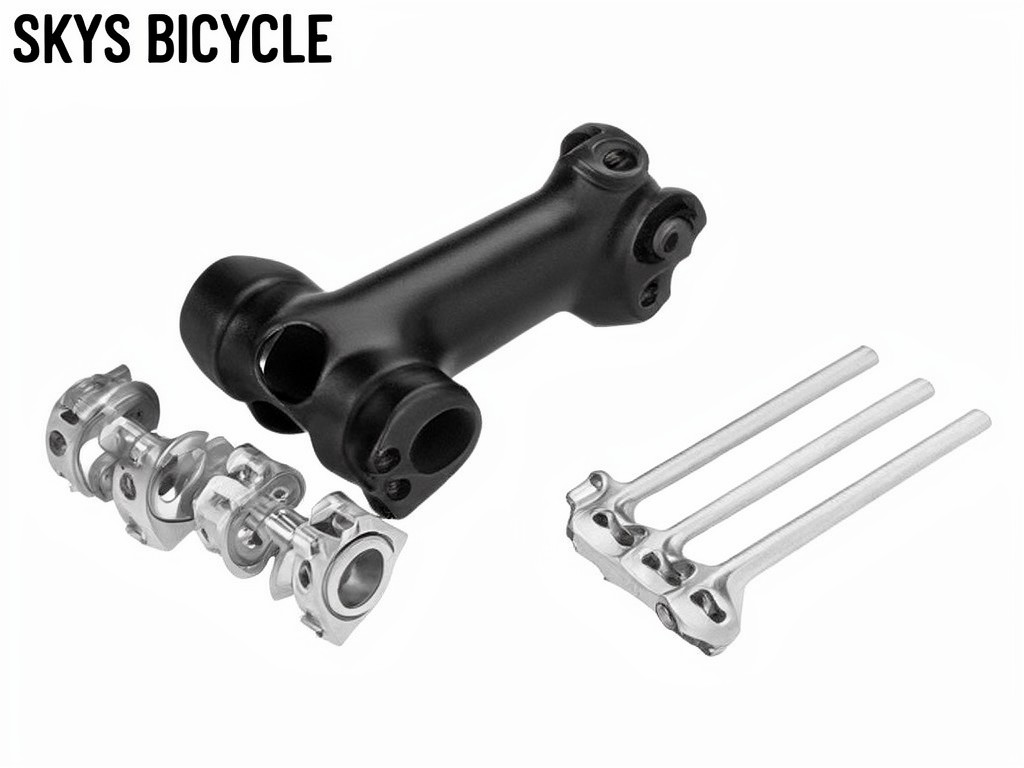
Installation starts with facing and chasing the head tube and bottom bracket if the frame was not delivered faced from the factory. Thru-axle torque is typically 8–12 Nm depending on dropout material, and stem and faceplate torque must match the handlebar clamp specification to avoid crushing carbon drop bars. Cable routing should be checked for clearance at full steering lock, especially on frames with internal routing and narrow head tubes.
Replacement parts that wear or damage in service include thru-axles, derailleur hangers, cable stops, and brake mount adapters. Carbon frames should be inspected at the head tube, bottom bracket, and chainstay yoke after any impact; delamination often appears as a dull or soft spot in the paint before it becomes structural. Steel frames benefit from touch-up paint at chip sites to stop corrosion at the tube ends, while aluminum frames should be checked for crack initiation at weld toes after high-mileage use.
Ready to review tooling for a custom gravel geometry program? Submit your geometry chart, target weight, and annual volume for a tooling and cost review.
Request tooling review