USD


Specifying Direct Factory precision bicycle shifting system components solution for Wholesale and OEM Orders
Before comparing quotations, a purchasing manager needs to know what lot-to-lot drift looks like in a shifting system. A derailleur cage that measures 0.15 mm out of alignment on one order and 0.40 mm on the next produces missed shifts on the third or fourth cog. The buyer is not paying for parts; they are paying for repeatable indexing across fifty or five hundred units.
Where Cheaper Alternatives Fall Short
Unit price settles the question only after the first season of service claims.
A stamped-steel derailleur with oversized pivot holes costs less per unit, but the play shows up as hesitant shifts within weeks. Cheap inner cables stretch unevenly, and unlined housing compresses under cable tension, so the lever pull no longer matches the derailleur movement. Across a batch of two hundred bikes, that tolerance stack-up becomes a stream of warranty claims and a return rate the importer has to absorb.
How It Performs in Use
| Component | Build option | Expected service limit | First wear point | Replacement trigger |
|---|---|---|---|---|
| Rear derailleur | Cold-forged alloy cage, CNC-cut plates | 15,000-25,000 shift cycles | Pivot bushings and cage alignment | Indexing drifts more than one cog per lever click |
| Shifter | Sealed indexed mechanism | 20,000-30,000 shifts | Detent spring and pawl | Lever feels spongy or skips positions |
| Inner cable | Drawn stainless, pre-stretched | 3,000-5,000 km | Fraying at barrel adjuster | Cable pulls unevenly or breaks at clamp |
| Outer housing | PTFE-lined, compression-resistant | 2-3 years in dry use | Liner wear and ferrule seating | Cable friction rises; lever return slows |
| Jockey wheel | Sealed cartridge bearing | 10,000-15,000 km | Bearing play and tooth wear | Chain rubs or pulley wobbles visibly |
Indexing works only when the cable pull per shifter click matches the derailleur's cage movement. If the parallelogram pivots have 0.3 mm of play, the chain never lands cleanly on the cog. Comfort and feel come from the detent crispness at the lever and the smoothness of cable travel through lined housing. A private-label buyer specifies these tolerances because riders notice hesitation long before a part fails completely.
Construction Method and Its Effect on Consistency
Cold forging aligns the grain structure of the alloy and holds pivot holes tighter than die casting, but the die wears. After twenty thousand shots, the hole diameter drifts by hundredths of a millimetre, and that is exactly where batch-to-batch inconsistency enters the build.
The factory cold-forges derailleur bodies from 6061 alloy, machines cage plates on CNC centres, and draws stainless wire through dies before applying a polymer liner to housing. Each step has a tolerance: cable diameter within 0.02 mm, pivot spacing within 0.05 mm, anodizing thickness between 8 and 12 micrometres. The buyer pays for the inspection points that catch drift before the lot ships, not for the absence of variation itself.
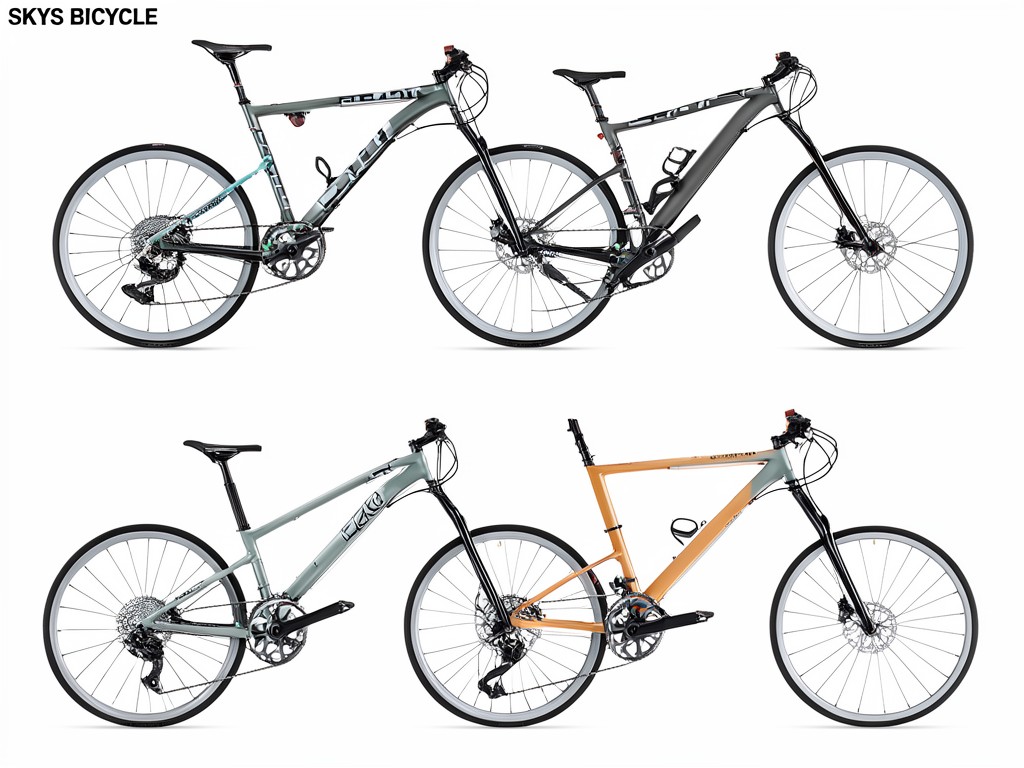
Comparing Two Standard Configurations
Standard OEM configuration
- Cold-forged alloy derailleur
- Stainless inner cable, pre-stretched
- PTFE-lined housing
- Sealed jockey wheel bearings
Club and academy fleets, daily instruction miles
Entry private-label configuration
- Stamped steel derailleur
- Galvanized inner cable
- Unlined housing with plastic ferrules
- Bushings instead of bearings
Seasonal rental bikes, short-term hire
The OEM configuration costs more per unit because the cage does not develop play as quickly and the cable does not stretch into indexing errors. The entry configuration sells at a lower price point but expects a twelve-month service life before the derailleur needs replacement. A club purchasing manager buying for a teaching fleet usually chooses the OEM build; an importer supplying a rental operator often accepts the entry build and prices the replacement cycle into the contract.
How to Choose Before Requesting a Quote
Two suppliers quoting the same specification can still deliver different parts if one measures cable pull at the shifter and the other measures it at the derailleur cable anchor.
Specify the shifter-to-derailleur pull ratio before anything else. Confirm clamp diameter matches the handlebar, check derailleur hanger type against the frame supplier, and ask for a sample lot of ten units. Measure the cage alignment with a hanger tool, run twenty shifts through each gear, and record the lever force. Acceptance criteria belong in the purchase order, not in a follow-up email.
A specification that does not define tolerance is not a specification; it is an invitation to variation.
Buying Mistakes That Lead to Returns
- Ordering derailleurs without confirming hanger compatibility, then forcing alignment at the bike build stage.
- Accepting universal cable kits where the ferrule diameter does not match the housing stops.
- Ignoring barrel adjuster thread pitch, which strips during the first cable tension adjustment.
- Specifying anodized finishes without a coating thickness limit, so corrosion appears after one wet season.
- Skipping sample approval on the first production lot, so indexing drift reaches the warehouse in volume.
Each mistake converts directly into a warranty claim. A mismatched hanger bends under load and the customer brings the bike back. A stripped barrel adjuster means the cable cannot be tensioned, and the shop replaces the whole shifter. The return cost exceeds the per-unit savings within the first two claims.
Keeping Repeat Orders Supplied
Stock availability matters less than batch consistency when the next order must match the last one. The factory holds safety stock on cage plates and jockey wheels, but the critical variable is the shifter detent batch. If the detent spring changes tension between lots, the lever feel changes and riders report poor shifting even though the derailleur is unchanged.
Export packaging protects derailleur hangers from bending in transit, and batch traceability lets the importer pull a specific production date if a claim surfaces. Lead time should never push the factory to skip the alignment check; a rushed lot arrives out of spec and generates the returns the buyer was trying to avoid.
Care, Storage and Service Life
Do not lubricate the inner cable inside lined housing; the lubricant attracts grit and increases friction faster than a dry liner wears.
Store derailleurs and shifters in a dry warehouse, never hanging by the cage, and keep shifters in original packaging until installation. Lubricate pivot points at the intervals the fleet mechanic specifies, check hanger alignment after any crash or bike transport, and replace outer housing when the liner frays or the ferrules seat poorly.
Service life depends on usage. A club bike doing daily instruction miles sees more shift cycles than a weekend commuter bike, so the cable and housing enter the replacement schedule first. Pivot play appears later, usually after the housing has already been changed once. The buyer sets the service interval by kilometres or by season, whichever arrives first.
Ready to align the next production lot with the last one? Request a quotation review and we will check pull ratios, cage tolerances, and packaging against your previous order.
Contact us to start the review.