USD


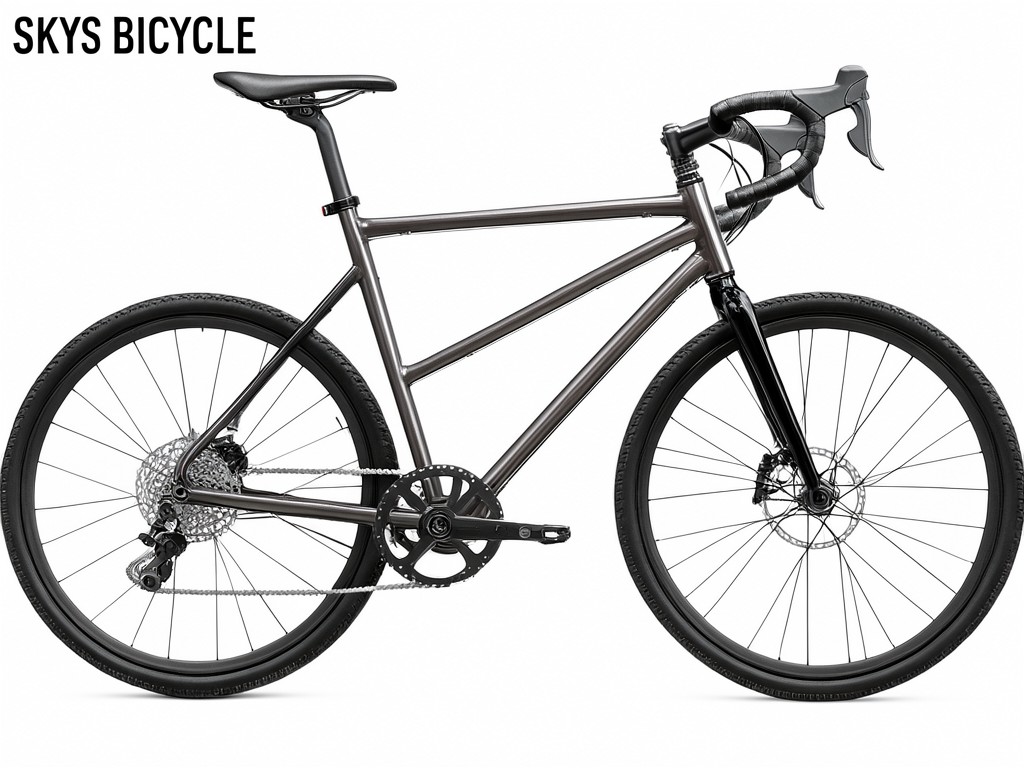
ODM lightweight bicycle headset and bottom bracket components maker: Specification, Ordering and Quality Notes
Selection trade-off: lighter CNC alloy cups reduce rotating mass but show faster face wear in wet conditions than chromoly steel cups; sealed cartridge bearings remove routine adjustment but add stack height and drag. Agree the drawing, tolerance stack-up and first-article sample before production starts.
Construction Method and Its Effect on Consistency
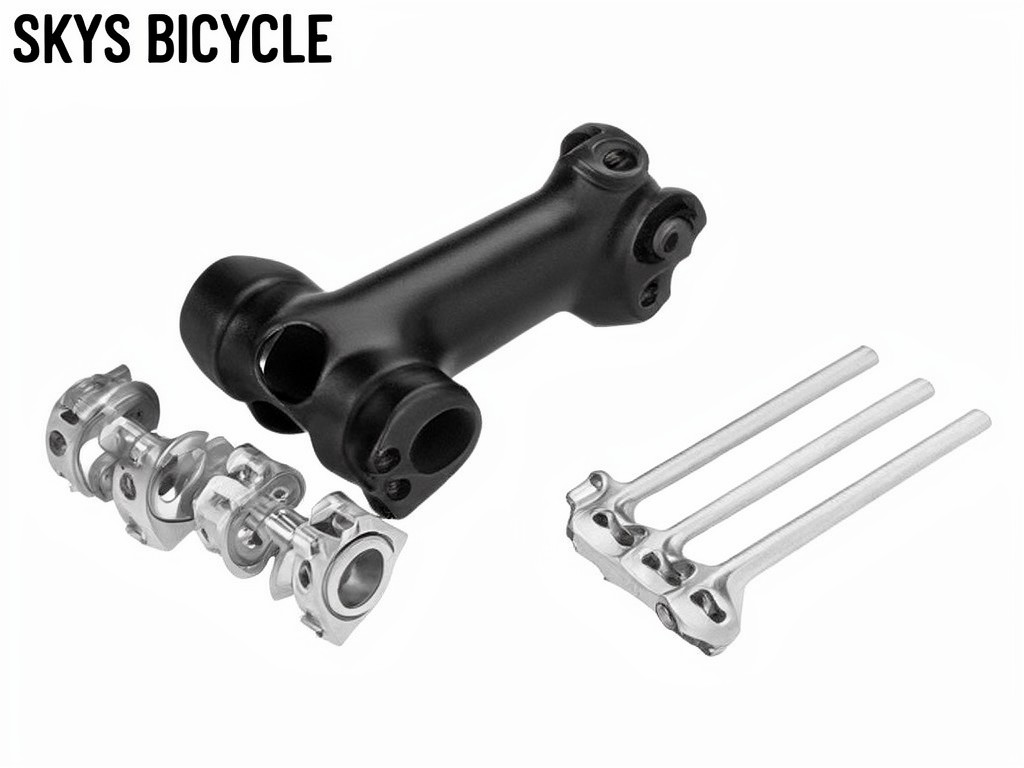
The build method decides whether a headset holds preload across a season or loosens after the first wet ride. Cold-formed steel cups work-harden during pressing and keep roundness under load, while CNC alloy cups save grams but depend on frame bore tolerance to avoid ovalisation. Cartridge bearings are pressed into cups at the factory; loose-ball races are adjusted by the mechanic. Stack height is set at the forming stage and cannot be corrected by shimming once the cup is seated.
Weather resistance enters through the seal. A single-lip seal keeps out spray but lets fine grit through after repeated pressure washing, while a double-labyrinth seal adds drag but extends bearing life in gritty climates. Comfort and feel come from bearing preload and cup face runout; excess preload creates drag and spindle flex, while insufficient preload produces play and creak under load.
How to Choose Before Requesting a Quote
Buyers most often return parts because the cup outside diameter does not match the frame bore, or the bottom bracket spindle does not align with the crank interface. The choice below assumes a standard threaded or press-fit shell and a 1-1/8 inch head tube; non-standard shells require a separate drawing.
| Attribute | 6061-T6 alloy cup | Chromoly steel cup | Typical consequence |
|---|---|---|---|
| Weight per pair | roughly 40-60 g lighter | baseline | matters for climbing bikes, less for commuter fleets |
| Face wear in wet use | faster if the seal fails | slower, more corrosion tolerant | replacement interval changes |
| Press-fit force | lower, easier installation | higher, needs press tool | shop labour time varies |
| Galvanic risk with steel frame | higher without coating | lower | anodizing or isolation required |
Bearing type follows the same logic. Sealed cartridge units cost more per piece but remove the need for consumer adjustment, while loose angular-contact bearings reduce stack height and drag at the cost of periodic service. If the bike sits outdoors for months, choose the seal first and the cup material second.
Buying Mistakes That Lead to Returns
The most common return reason is a mismatch between the headset standard and the head tube. An external-cup part has no seat in an integrated head tube, and the cup cannot be pressed in without damaging the frame.
Specifying a 24 mm spindle for a 30 mm crank interface creates play at the spider and creak under load. Skipping the stack-height drawing means the top cover cannot compress the bearing, so adjustment is impossible once the fork is installed.
Ignoring galvanic isolation between alloy cups and a steel frame leads to corrosion at the interface within months. Ordering without a first-article sample means the buyer discovers the tolerance stack-up only after the shipment arrives.
Usage Scenarios and Buyer Segments
Club and academy fleets ride in rain and grit, so weather resistance decides service life more than claimed weight. A fleet bike needs replaceable cartridge bearings and low creak because mechanics service dozens of units at once.
Brand product managers building a private label must match the frame's head-tube and bottom-bracket shell exactly, then specify anodized colour and laser marking. Comfort and feel come from bearing drag and preload, which the factory sets before shipment.
Wholesale buyers care about batch traceability, export packaging and reorder consistency. A change in cup wall thickness or seal supplier between lots shows up as creak or drag complaints six months later.
What Gets Checked Before Shipment
Shipment rejection happens when stack height or bearing drag falls outside the agreed drawing. The factory checks each lot against the purchase order, not against a generic catalogue tolerance.
| Check point | Method | Agreed limit | Rejection action |
|---|---|---|---|
| Cup outside diameter | micrometer at three positions | ±0.02 mm from drawing | return to tooling |
| Stack height | depth gauge after press-in | within 0.10 mm of specification | cup scrapped |
| Bearing drag torque | torque gauge on spindle | typically 0.15-0.30 Nm depending on seal | bearing replaced |
| Axial play | dial indicator at fork crown | zero play with preload set | reassemble |
| Seal engagement | visual and feeler check | full lip contact | seal reseated |
| Anodised coating thickness | eddy current gauge | usually 8-12 µm | re-coat |
| Salt spray exposure | cabinet test | no red rust after 48 hours typically | material change |
Packing, Marking and Freight Configuration
Export buyers require batch traceability on the master carton, not just a generic part number. Each headset or bottom bracket goes into an individual polybag, then an inner box labelled with part number and date code.
Artwork for private-label marking must be approved before the first production run. Pallet configuration and carton weight are set to the freight forwarder's limits, and the bill of lading references the batch number so a field claim can be traced to the press run.
Questions Buyers Ask Before Ordering
Can you cut cups to our head-tube bore and stack-height drawing?
Yes. Supply the head-tube internal diameter, headset standard and required stack height, and we quote the cup outside diameter and press-fit force before tooling.
What tolerance do you hold on bottom bracket spindle diameter and cup face runout?
Spindle diameter is typically held within 0.01-0.02 mm depending on wall thickness, and cup face runout is checked on a lathe before bearing insertion.
Are bearings sealed cartridge or loose ball, and how does that affect preload adjustment?
We supply both. Sealed cartridges are pre-set at the factory and are not user-adjustable; loose-ball races leave adjustment to the mechanic but reduce stack height.
How long does first-article sample approval take, and what changes after approval?
Sample approval usually takes two to four weeks. After sign-off, the drawing and tolerance stack-up are locked, and any later change requires a new first-article check.
What MOQ applies to custom anodized colours and laser marking?
Custom colour and marking start at one production lot, with the exact quantity set by cup tooling and anodising batch size. Lead time extends by the colour-matching cycle.
Request a quotation review
Send your head-tube and bottom-bracket shell drawings, target stack height and annual volume. We will return a tolerance quote, sample lead time and packing configuration.
Start quotation review